
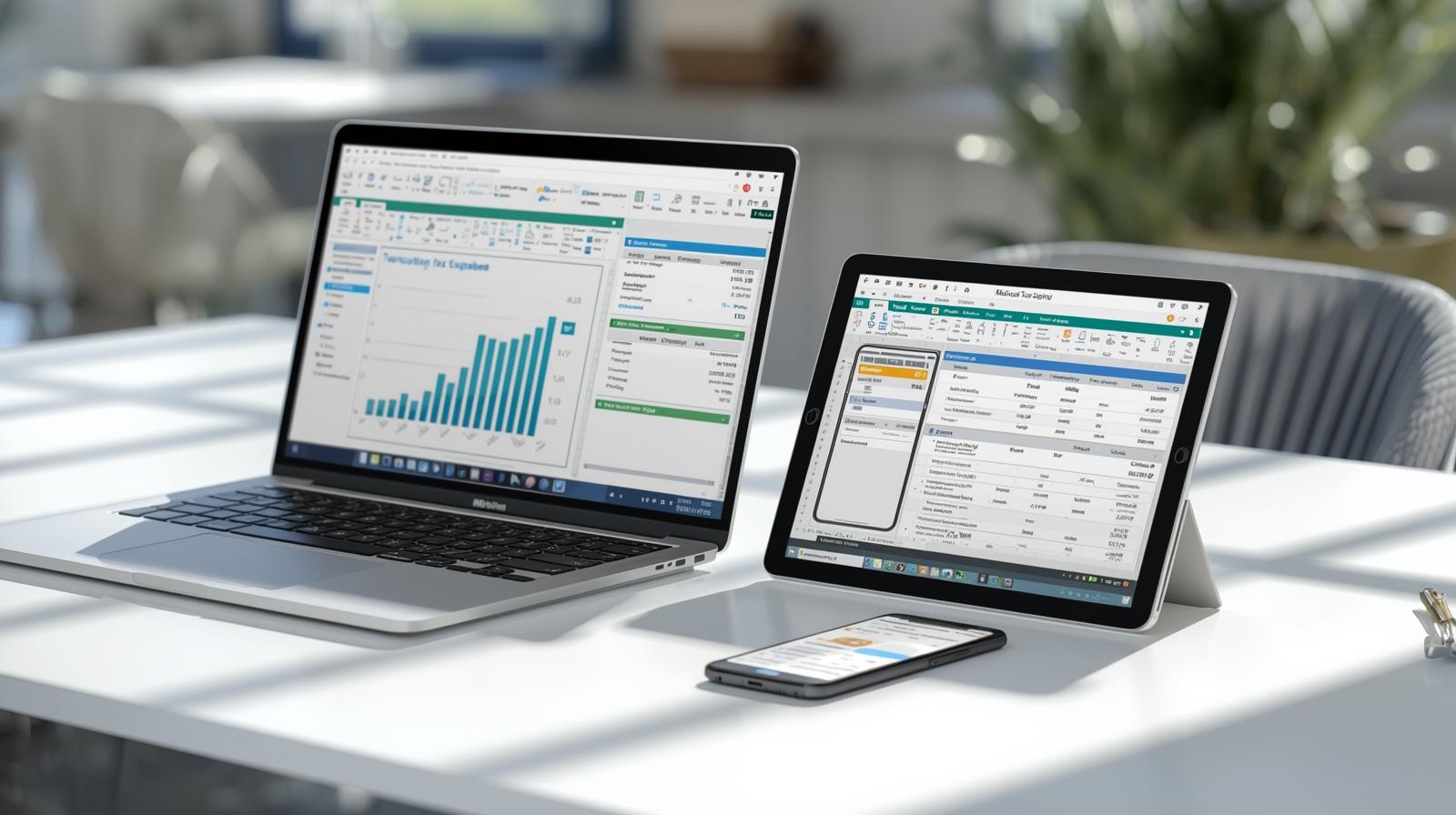
Making Tax Digital (MTD) is bringing significant changes to the way many sole traders and landlords keep their financial records and report information to HMRC.
If you are affected by the new rules, one of the most important decisions you will need to make is which MTD software to use. Choosing the right software will help you comply with HMRC, save time and make managing your finances much easier.
The good news is that there are several MTD software options available, and at DWilkinson & Co Chartered Accountants, we support all MTD compliant software solutions.
Whether you are looking for a low-cost option or a full accounting package, there is an MTD software solution to suit your needs.
What is MTD software?
MTD software allows businesses and individuals to keep digital financial records and submit information directly to HMRC.
Under the new MTD rules, affected taxpayers will no longer be able to rely solely on paper records or copying and pasting their figures onto an online form. Instead, they must maintain digital records and submit updates using MTD compatible software.
There are two main types of MTD software available:
• Bridging software
• Cloud accounting software
The best option depends on your business activities, the number of transactions you process and how much bookkeeping you want to undertake yourself.
Bridging software for MTD
Bridging software is often the simplest and most affordable MTD software option. It allows you to continue maintaining records in a spreadsheet while using the software to submit information to HMRC in line with Making Tax Digital requirements.
For many sole traders, landlords and small businesses with straightforward finances, bridging software can be an effective and cost-efficient solution.
Bridging software may be suitable if:
• You record fewer than 20-30 transactions each month
• Your income and expenses are relatively simple
• You already use Excel spreadsheets
• You want a low-cost MTD software solution
Bridging is one of the cheapest ways to comply with Making Tax Digital. We have set out some pricing options later in this blog.
Cloud accounting software for MTD
Cloud accounting software offers a more comprehensive MTD software solution. Popular platforms include Xero, QuickBooks, FreeAgent and Sage. These systems allow you to record income and expenses, raise invoices, connect your bank account and produce financial reports.
Many business owners find that cloud-based MTD software not only helps with compliance but also provides valuable insights into business performance.
Cloud accounting software may be suitable if:
• You process more than 30 transactions per month
• You regularly issue customer invoices
• You employ staff or subcontractors
• You want real-time financial information
• You would like to automate bookkeeping tasks
MTD software relating to your monthly transactions
As a general guide, if you're processing 10-20 transactions per month, a spreadsheet combined with bridging software may be sufficient. If your process 30-75 transactions per month, a basic cloud accounting package will often save time and improve accuracy.
For large-scale businesses processing 100+ transactions per month, a full accounting package is usually the most efficient MTD software solution and can significantly reduce administrative workload.
How much does MTD software cost?
One of the most common questions we are asked is how much MTD software costs. The answer depends on the type of software you choose and the features you require.
Typical costs include:
• Bridging software: £20-£100 per year
• Basic cloud accounting software: £10-£20 per month
• Standard accounting packages: £20-£40 per month
• Advanced accounting systems: £40+ per month
NB. Software prices may also be subject to VAT.
Many MTD software providers offer introductory discounts and additional features such as payroll processing, expense tracking and invoice management.
Whilst there is likely to be a cost involved, many businesses find that MTD software saves significant time and reduces bookkeeping errors.
Can MTD software help reduce accountancy fees?
Potentially, yes. The more bookkeeping work you complete using your MTD software, the less time your accountant may need to spend preparing and processing your records. This can often result in lower accountancy fees.
However, accuracy remains important. Poor quality bookkeeping can create additional work and may increase costs later. Many business owners use MTD software throughout the year and then ask their accountant to review the records and provide support as required.
Which MTD software is best for your business?
There is no single best MTD software solution. The right choice depends on:
• The number of transactions you process
• Your bookkeeping knowledge
• Your budget
• The level of automation you require
• Whether you prefer spreadsheets or accounting software
At DWilkinson & Co we help our clients choose the most appropriate MTD software based on their individual circumstances. We support all major MTD software options and can help you implement the solution that best fits your business.
Need advice on MTD software?
Choosing the right MTD software can feel overwhelming, especially with so many options available. At DWilkinson & Co, we can help you understand the different Making Tax Digital software solutions, compare costs and decide which option is right for your business. Whether you are considering bridging software or a full cloud accounting package, we can provide practical guidance, training and ongoing support.
If you have any questions about MTD software or Making Tax Digital, please get in touch with DWilkinson & Co today. We will be happy to help you find the right solution and ensure you remain fully compliant with HMRC's MTD requirements.
